
The Internal Arts
Qigong is millennia-old Chinese practice that can change the way you experience the world
The Internal Arts
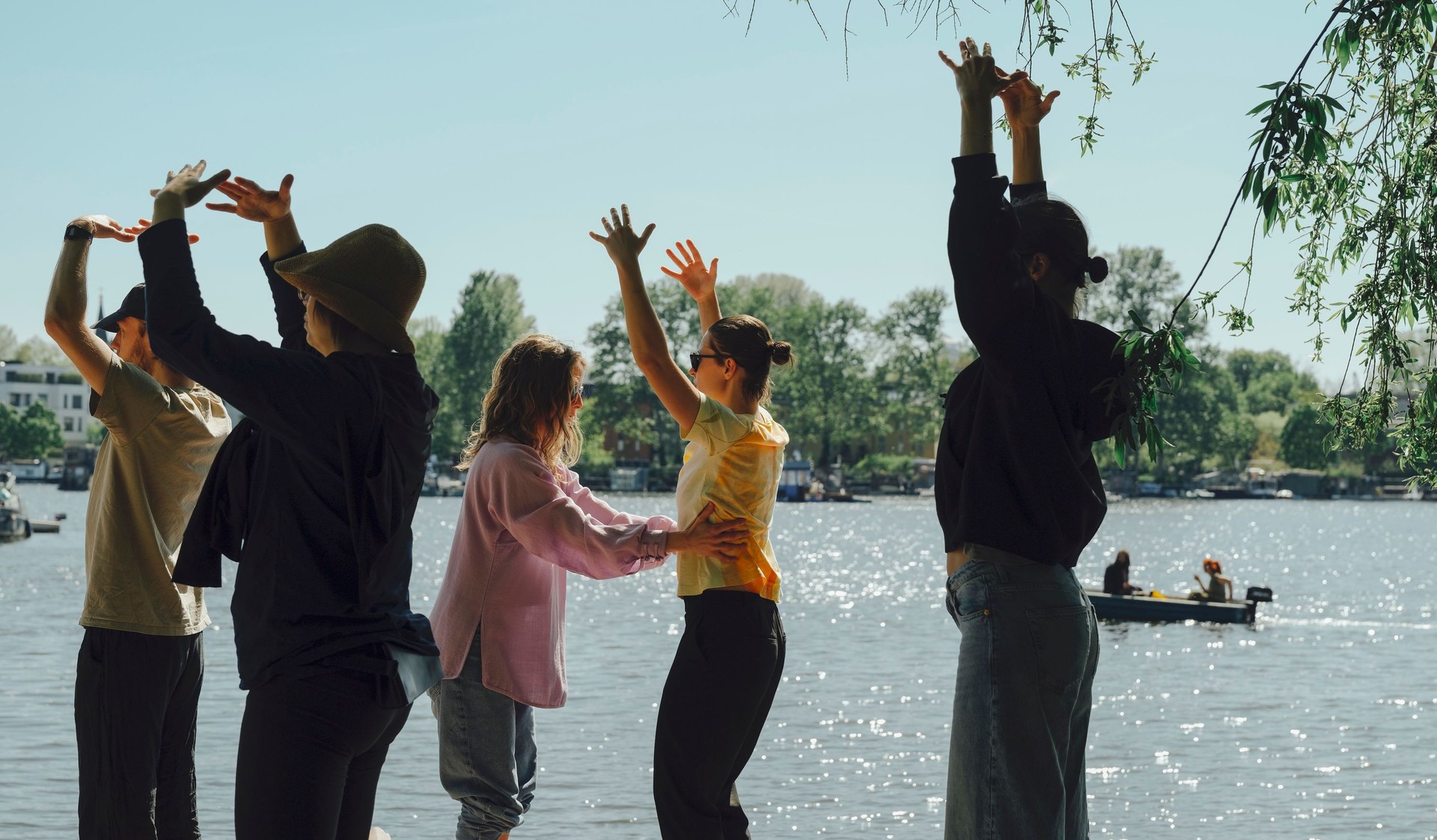
Have you ever observed groups of Chinese elderly in public parks moving with grace and fluidity? It appears effortless. How is this possible, especially at that age?
The slow, balanced dance is not merely training or choreography — it's a manifestation of an inner movement born out of a quiet mind. Slow movement cultivates mental stillness, while the still mind conducts aware movement.
This is the beauty of qigong: Yin and Yang nourishing each other in everlasting equanimity.

Qigong (an umbrella term) is a unified summary of millennia old Chinese practices, influenced by various philosophical and religious traditions, including Taoism, Confucianism, and Buddhism, to cultivate the vital qi energy. Back in 1950's China, the most practiced elements were transformed into a moving meditation for the general public. It involves coordinating slow-flowing movement with deep rhythmic breathing and a calm meditative state of mind.
Qigong and Neigong
Qigong (气功) and neigong (内功) are related but distinct practices in Chinese internal arts.
Qigong literally means "energy work" or "cultivating vital energy." It's a broad umbrella term covering thousands of different practices — from gentle health exercises to martial applications. It’s focuses on coordinating breath, movement, and awareness to cultivate and circulate qi through the body, promoting health.
Neigong means "internal skill" or "internal work." It's more specialized and advanced — the deeper layer beneath qigong. Neigong specifically develops the body's internal structures: fascia, tendons, and the subtle energetic pathways.

Rather than just moving qi around, neigong transforms the body's internal architecture, building power from deep relaxation and structural alignment. Traditional martial arts, especially internal styles like TaiChi, Xingyi, Bagua, use neigong as their foundation.
Neigong fosters health
During our practice, we grow awareness of inner processes, developing interoception. Alternating between inhale and exhale, expansion and contraction, we reduce levels of cortisol and adrenaline. We activate the parasympathetic nervous system, giving ourselves time to rest and regenerate. We trust the innate wisdom of our bodies.

Neigong is astonishingly efficient for stress management, fostering emotional balance and mental clarity. This results in a significant general health improvement: reduced inflammation, stabilized blood pressure, stronger immune system.
The Internal Arts are for everyone
Living in big cities, most of us struggle with anxiety, depression, hyper-vigilance, bad sleep, and other challenging conditions. Neigong practice is effective against these states and can be a gentle tool to manage such harsh conditions as shock trauma and complex PTSD.
The practice tunes us into subtle and attentive self-care, fostering self-reliance and freedom. It teaches us the art of gently experiencing the richness of the world.
Qigong has been used as a preventative and restorative therapy in Asian countries for decades. Having a scientifically proven positive effect on practitioners (recom. reading “The Body keeps the Score” by Bessel van der Kolk), it is now used as a somatic therapy in various facilities around the globe.