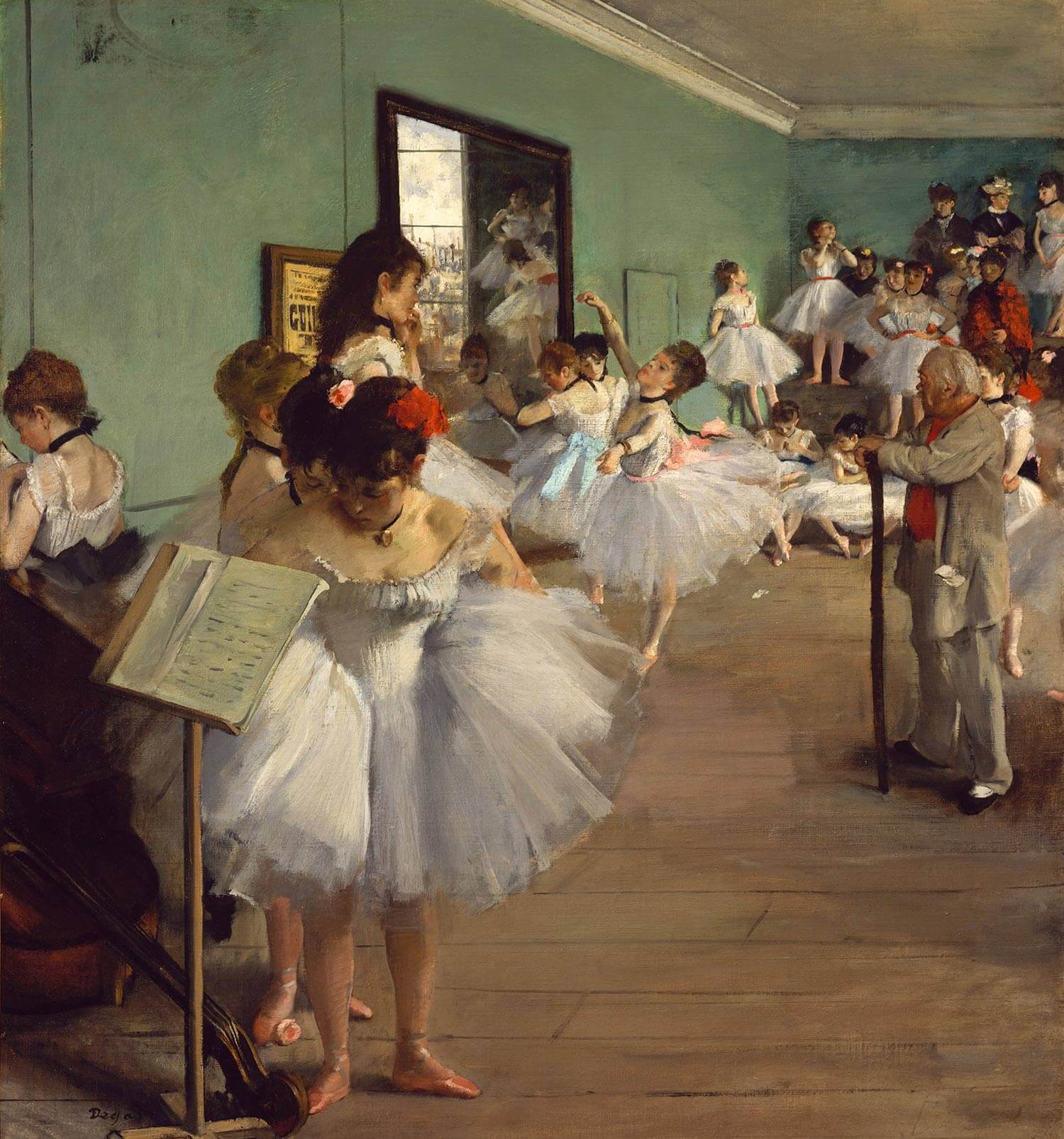
Dance & Movement Therapy (DMT)
Its history, basics, and application
DMT
Dance and Movement Therapy (DMT) was formally recognized in the 1940s, but its roots reach much further back into ancient times. Long before its institutionalization, dance was used as a form of individual and communal healing – think about various rituals, trance-like and transcendent states reached by repetitive movements, often in supportive settings (rituals for weather or harvest, dancing around the fire, etc.). One prominent example is Junba, the dance-song tradition of the indigenous peoples Ngarinyin, Wunambal, and Worrorra of the Kimberley in northwest Australia. Its impact on social, spiritual, and ecological well-being is an object of modern research.
In the 20th century, Dance Therapy was shaped and professionalized mainly by Marian Chace, Mary Whitehouse, and Trudy Schoop. Their work emerged from the Modern Dance Movement and integrated careful observation, interpretation, and the deliberate structuring of movement elements as core components of therapeutic practice.

DMT works through the body. It uses movement as a direct pathway to emotional, cognitive, physical, and social integration. The underlying premise is simple: body and mind are not separate systems — they continuously inform and shape one another. Movement, therefore, is not a secondary expression; it is core communication.
DMT supports both mental and physical health. It can help regulate stress, stabilize mood, strengthen resilience, and contribute to prevention as well as intervention. Its growing recognition reflects its effectiveness as an embodied psychotherapeutic approach.
The central aim is to deepen self-awareness through lived, physical experience. Through structured movement explorations and attuned therapeutic guidance, individuals can access and process emotions that may not be available verbally. The therapeutic space remains non-judgmental — allowing expression without performance, correction, or external evaluation.
The Role of Music and Rhythm
Music and rhythm are cornerstones of DMT. They function as structural forces: rhythm organizes movement; sound shapes impulse.

During guided sessions, music becomes an entry point into embodied experience. The idea is to let the body respond to impulses before cognition intervenes. Rhythmic patterns and melodic textures influence regulation, activation, and emotional tone – they can anchor, stimulate, soften, or intensify one’s experience.
When movement and music converge, the process deepens. Thought, emotion, memory, and sensation begin to align within lived experience rather than abstract reflection. Expression becomes immediate, nonverbal, and integrated.